

- Who We Are
- Our Work
- Who We Are
- Our Work
Cultural Heritage Conservation
Rock Art & Archaeological Heritage
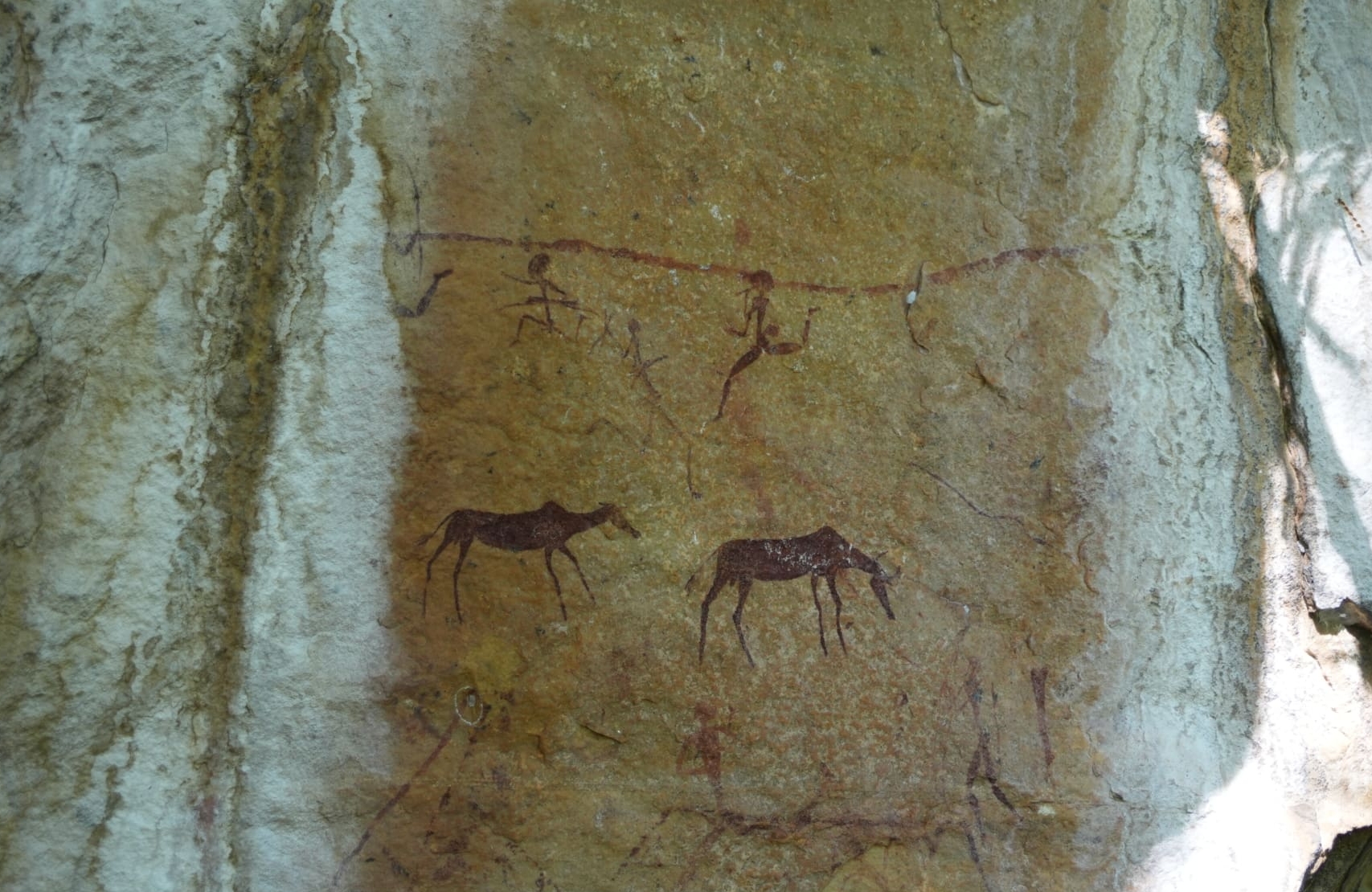
One hundred and twenty-one rock art sites have been recorded in the sandstone hills of the Malilangwe Range. The art is of three traditions namely, Bushman (San), Khoikhoi (Herder people) and Bantu (Iron Age agro-pastoralists). The Bushmen painted delicate human and animal figures using fine brushes of animal hair, while the Khoikhoi and Bantu preferred blown geometric dot patterns and finger-painted art respectively. The paintings have not been dated directly, but excavations of rock shelters indicate that Bushmen lived in the Malilangwe hills up to 2000 years ago. There are, however, written reports by missionaries that record more recent sightings of Bushmen in the lowveld of Zimbabwe. This suggests that hunter-gatherer groups may have persisted in the region into the early 1900’s.
The paintings are generally monochrome red due to the use of crushed ochre (iron oxide) as paint. However, experts believe that the original paintings were two-toned and that the white component has faded away over the centuries, with only the red pigment remaining.
The art records the life of these people. There are hunting scenes, large groups of men and women dancing, and numerous paintings of animals. Some depictions may be interpreted literally while others may be spiritual and therefore more symbolic.
Several paintings at Malilangwe are unusual. For example, many of the elephants have their trunks and tails extended, and five depictions of double-headed animals have been found. Such images are rare – only a few others are known in the whole of southern Africa. The significance of these different representations has been the subject of research.

Iron Age Agro-Pastoralists
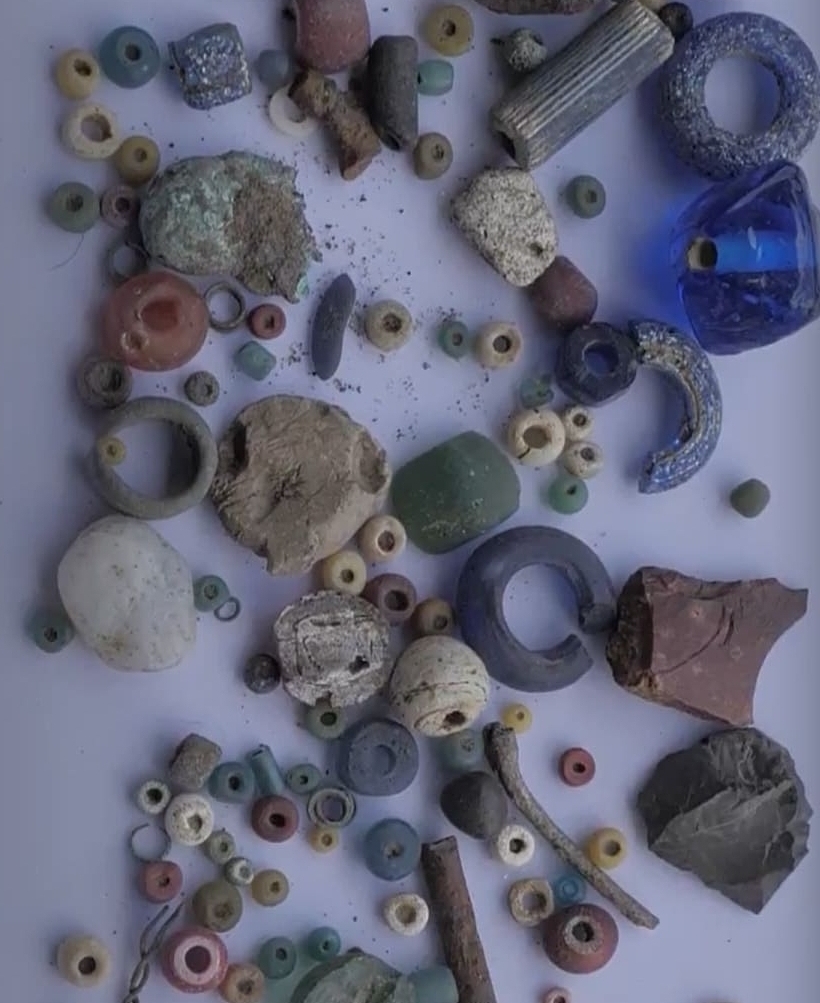
Research has shown that Hlamba Mlonga hill, near Malilangwe’s Head Quarters, was occupied between the late 10th and 15th centuries by successive communities of Iron Age agro-pastoralists. Evidence from glass beads, animal remains and smelting activity suggests that these people utilized local resources including ivory, wildlife skins and rich iron deposits to generate wealth by trading with other groups from the surrounding regions.
From the 10th to the 13th centuries, it appears that activity at Hlamba Mlonga was influenced by the Mapungubwe civilization that was located close to the confluence of the Limpopo and Shashe rivers, three hundred kilometers to the south-west. However, during the 14th century the Zimbabwe state, with its capital at Great Zimbabwe, became the dominant influence. This shift may be explained by the collapse of Mapungubwe and the rise of the Zimbabwe state at that time. Hlamba Mlonga is situated midway between Great Zimbabwe and the Mozambique coast making it ideally placed to act as a trade link between the two areas.
Numerous glass beads, manufactured on the Indian subcontinent and in south-east Asia, were found during excavations at Hlamba Mlonga. This suggests participation in the trading network linking the Zimbabwe state with the Mozambique coast.
Kambako Living Museum of Bushcraft
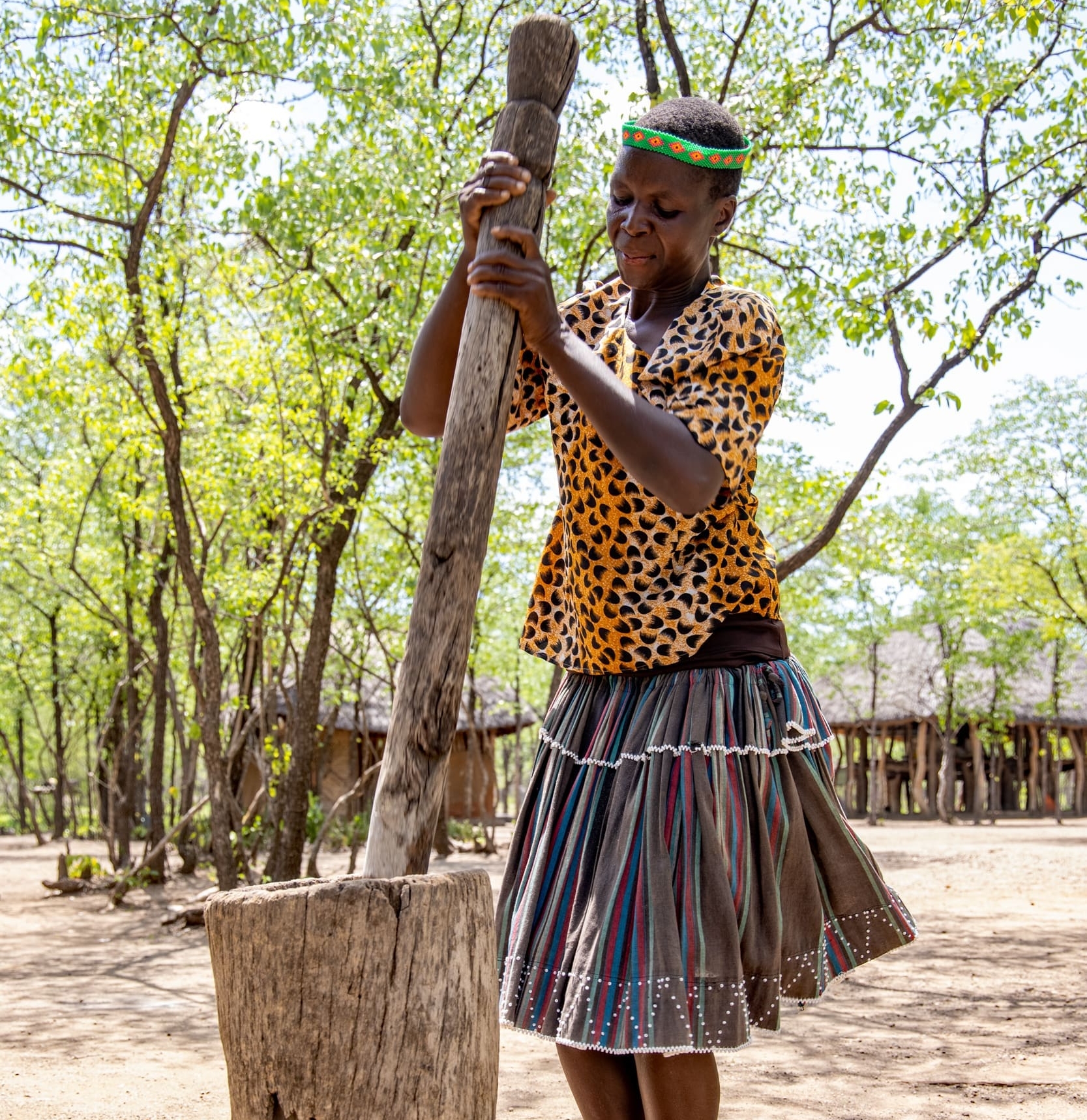
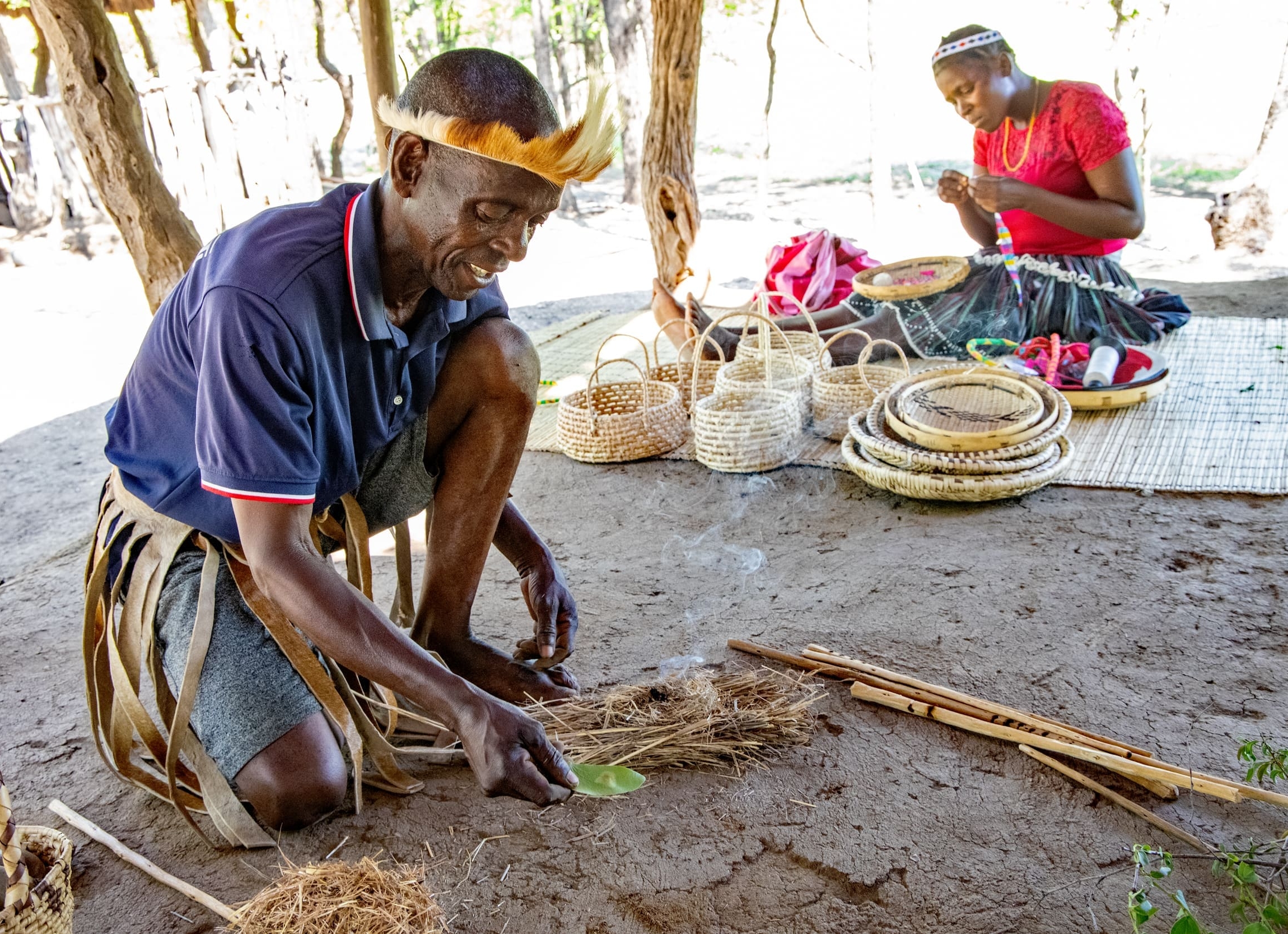
The purpose of the Kambako living museum is to showcase the bushcraft skills that for centuries have enabled the local Shangaan people to make a living from their natural environment. A tour through the museum takes the visitor on a journey through time.
In the recent past, the Shangaan people were hunter gatherers, and this historic lifestyle is described through a presentation of the practical knowledge and skills that were used to make fire; gather caloric staples; weave baskets to carry collected food materials; and trap and hunt game to provide a source of protein. The necessity of an intimate knowledge of the natural resources available and an in depth understanding of animal behaviour is emphasised. The methods used by the Shangaans are compared with other cultures around the world and the link between primitive skills and modern technological development is discussed.
With the advent of the Iron Age, metal tools could be fashioned to hoe and till the soil and the Shangaan people made the transition to their current agro-pastoral lifestyle. This change required a new set of skills such as the construction of a primitive forge; the manufacture of a whip for use in ploughing; pounding, winnowing and grinding seed from cereal crops; the construction of clay pottery; and the production of salt and potash for cooking. These skills are presented in turn, and the knowledge associated with each is discussed.
The adaptability and ingenuity of the human spirit is emphasised throughout the tour and the pros and cons of the Shangaan way of life are discussed in relation to a modern first world existence.

- Our Work
- Our Work