

- Who We Are
- Our Work
- Who We Are
- Our Work
The Hippo Valley Swamp
The Hippo Valley Swamp is one of the most important wetlands in the Malilangwe landscape. Covering 340 hectares within the Hippo Valley Game Section, it acts as a lifeline during the long dry season, when water and fresh grazing become scarce across much of the surrounding ecosystem. Fed by nine return-flow drains from irrigated sugar cane fields, the wetland slowly filters and channels water back into the Chiredzi River, supporting plant life and wildlife along the way.
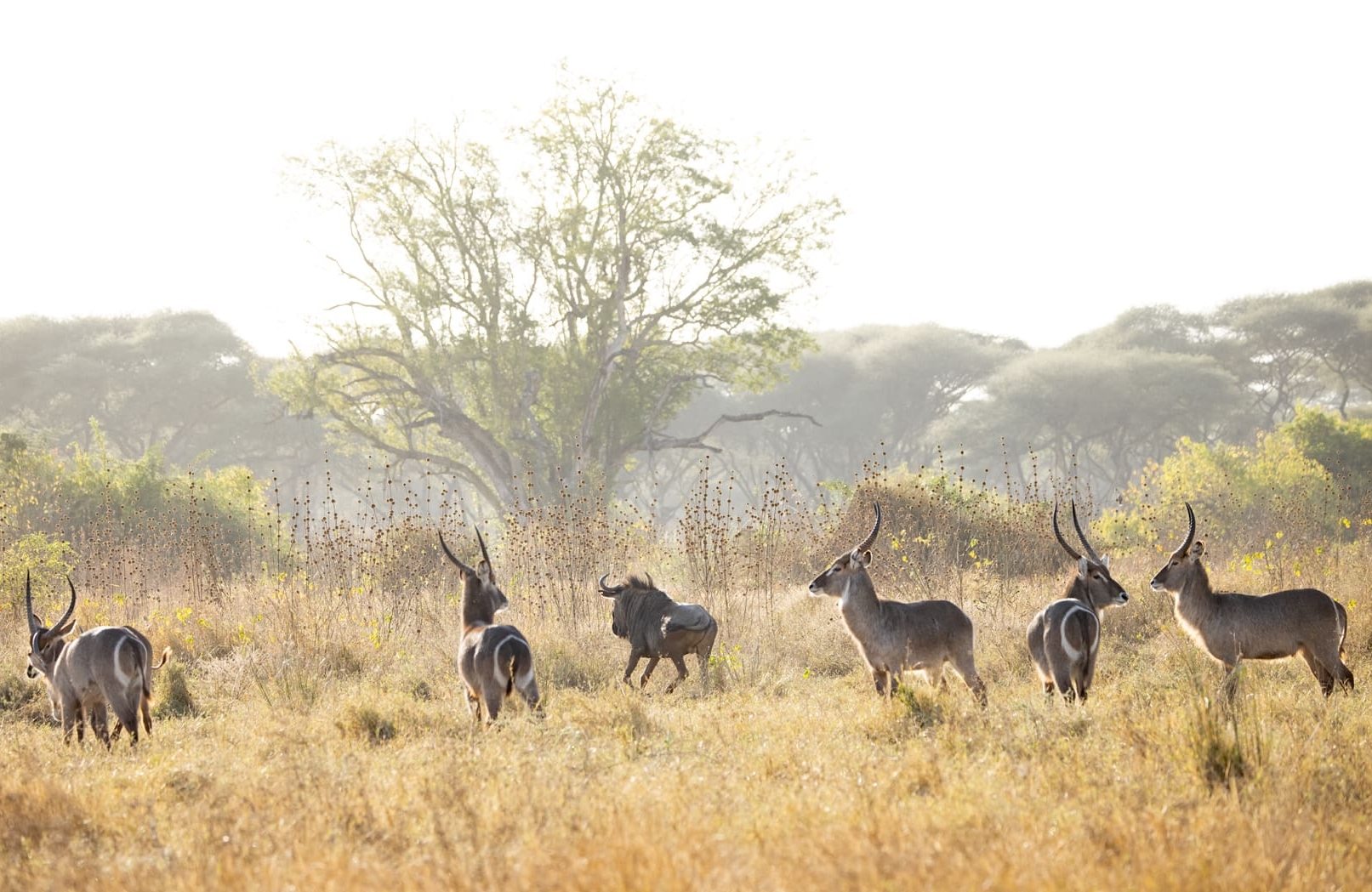
As the dry season deepens, the swamp becomes a refuge for herbivores seeking nutritious green forage. Buffalo, waterbuck and other grazers congregate here in large numbers, drawn by the availability of fresh grazing when much of the surrounding landscape has dried out. By providing this critical resource, the swamp helps sustain herbivore populations and significantly enhances the carrying capacity of the wider ecosystem.
Swamp Restoration
Despite its importance as a key grazing resource, the forage production potential of the swamp has been reduced by an invasion of bulrushes that had reduced the extent of open grassland, limiting forage production and diminishing the swamp’s value for grazing wildlife. To improve its ecological function, our management team implemented a programme aimed at reducing permanent flooding to improve forage quality.
This work included cleaning and repairing the drainage network, clearing encroaching shrubs, and using controlled burns to remove old growth and stimulate fresh grass growth. These restoration efforts have proven successful thus far, with open grazing areas and forage quality showing meaningful progress. Ongoing maintenance will remain essential, however, to preserve the productivity of this important wetland and ensure it continues to support wildlife during the most challenging months of the year.


- Our Work
- Our Work